



Лицо

72 товаров

    72 товаров
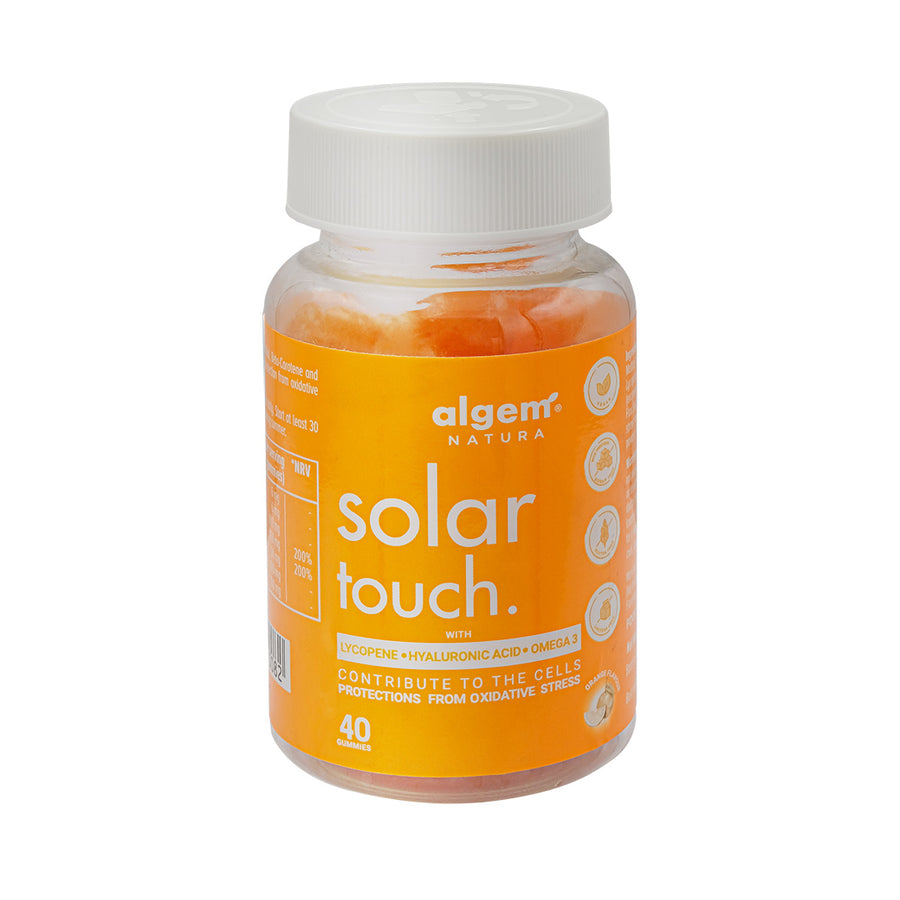
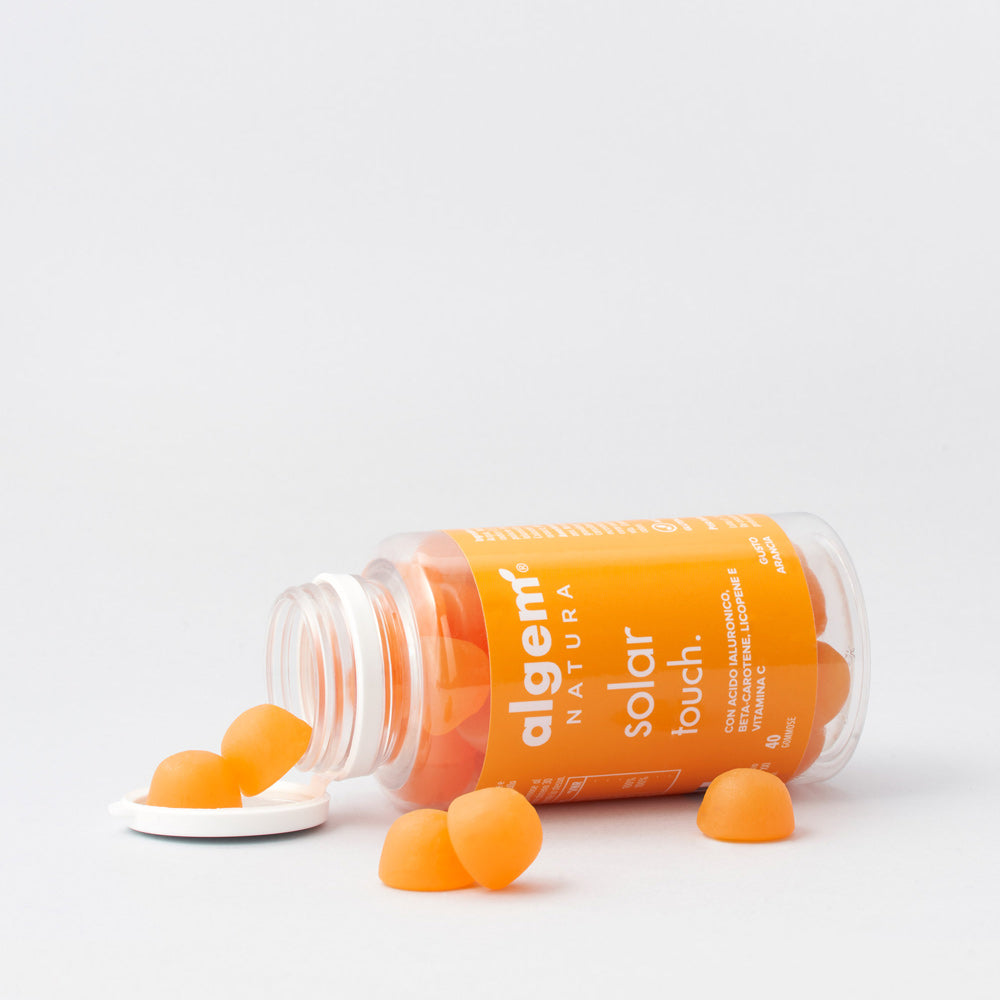
    Heliabrine 8H лифтинговые ампулы
    HELIABRINE
    97.00
    Ампулы с морским коллагеном Heliabrine 24 х 1 мл
    HELIABRINE
    180.00
    Гелиабрин Крем Белое Разрешение 50мл
    HELIABRINE
    148.00
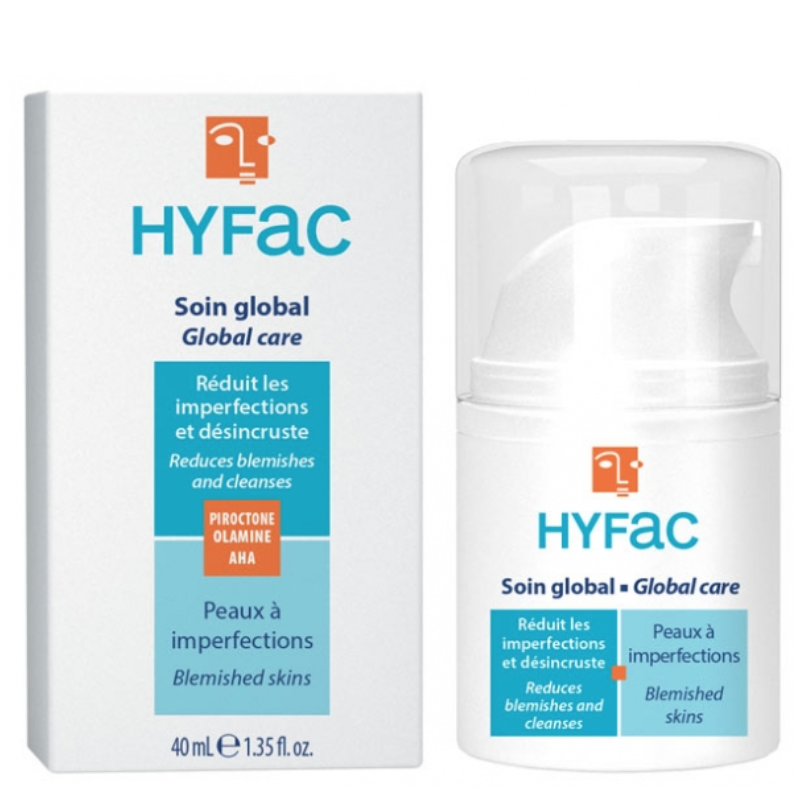
    Hyfac Global Care 40мл
    HYFAC
    79.00
    cleansing foam
    Heliabrine Oxy Defense Foam 200ML
    HELIABRINE
    108.00
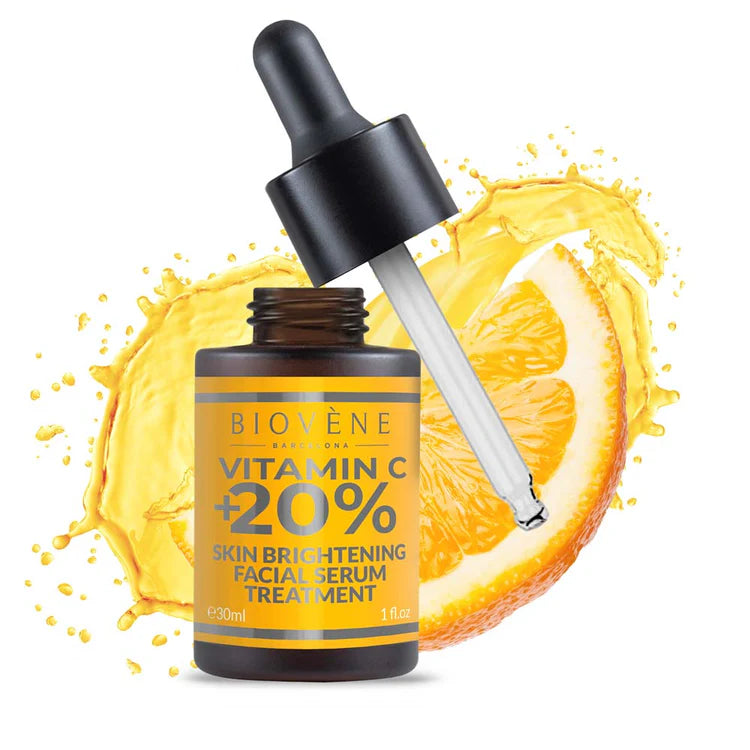
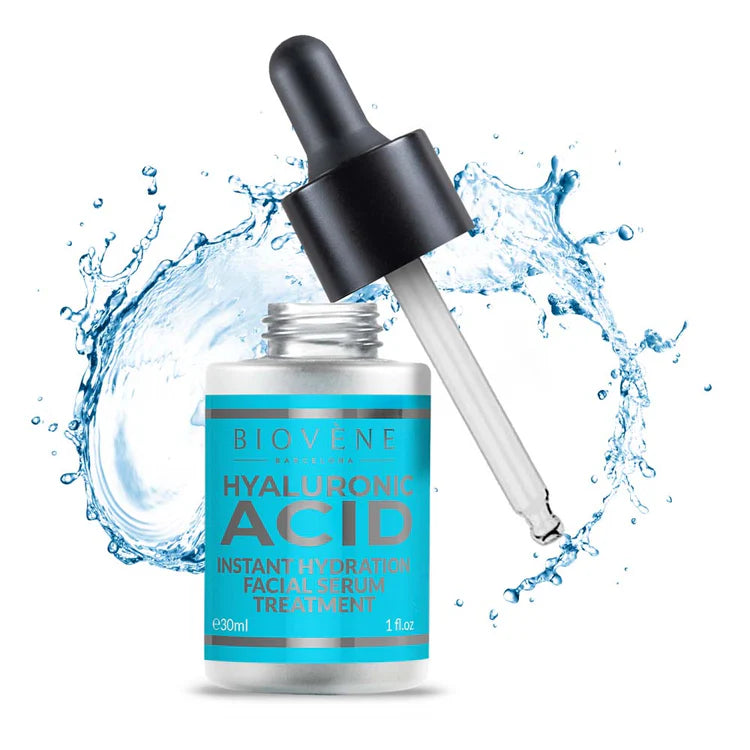
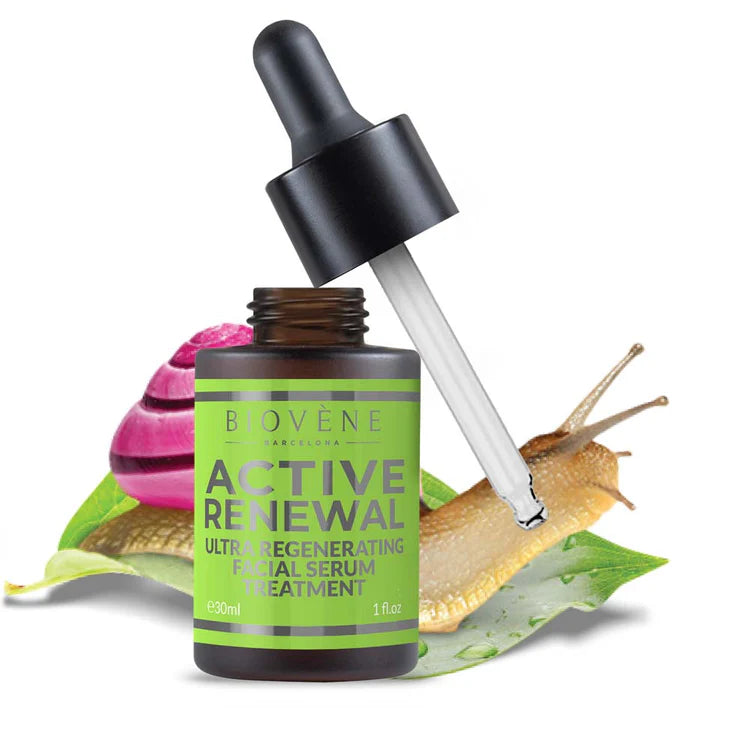
    Сыворотка с гиалуроновой кислотой Biovene 30 мл
    BIOVENE
    62.00
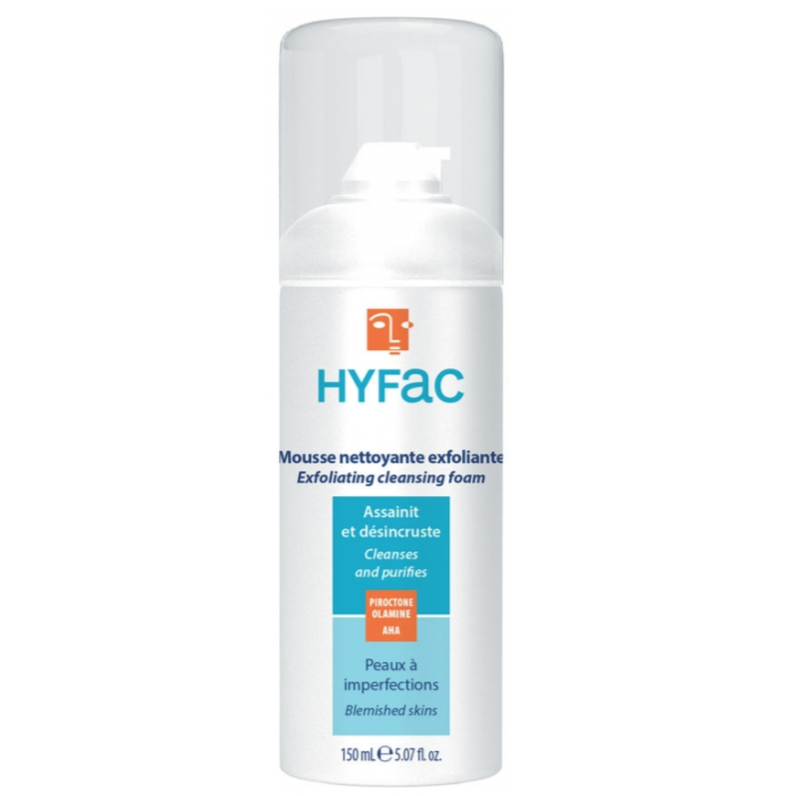
    Exfoliating Cleansing Form
    Hyfac Отшелушивающая очищающая форма 150 мл
    HYFAC
    65.00
    cleansing foaming gel
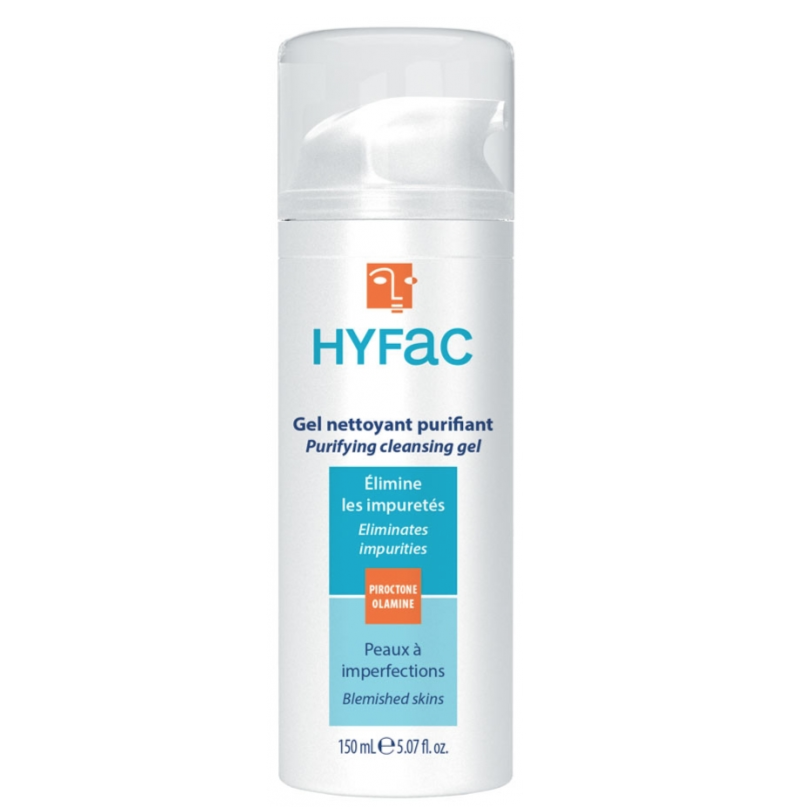
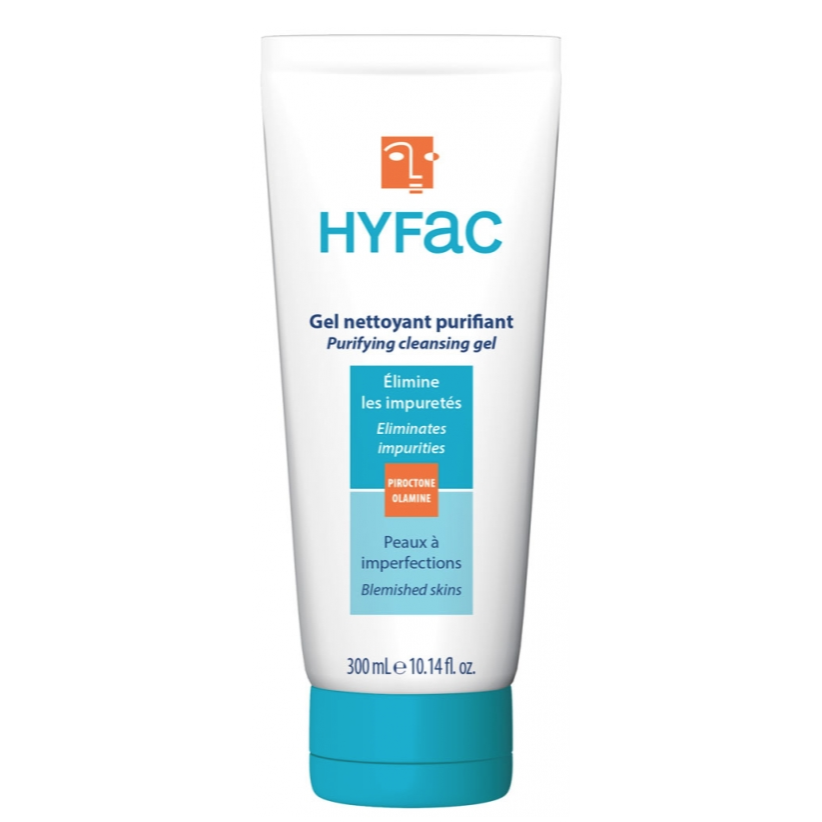
    Очищающий гель для лица и тела Hyfac 300 мл
    HYFAC
    95.00
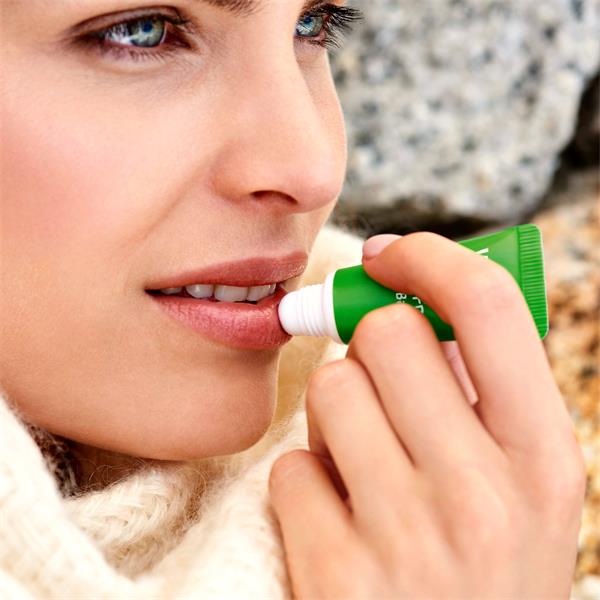
    Weleda Everon Lip Balm 4.8G to nourish and protect dry and delicate lips from IHealth uae
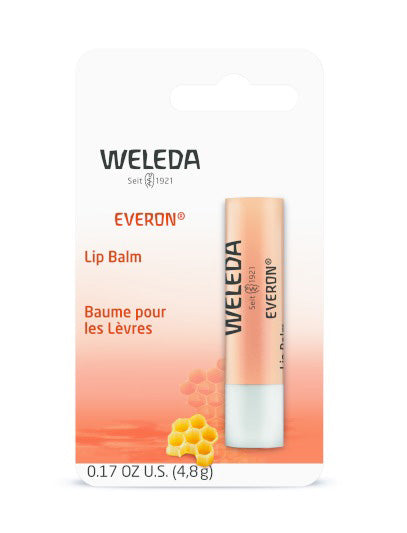
    Бальзам для губ Weleda Everon 4,8 г
    WELEDA
    30.40
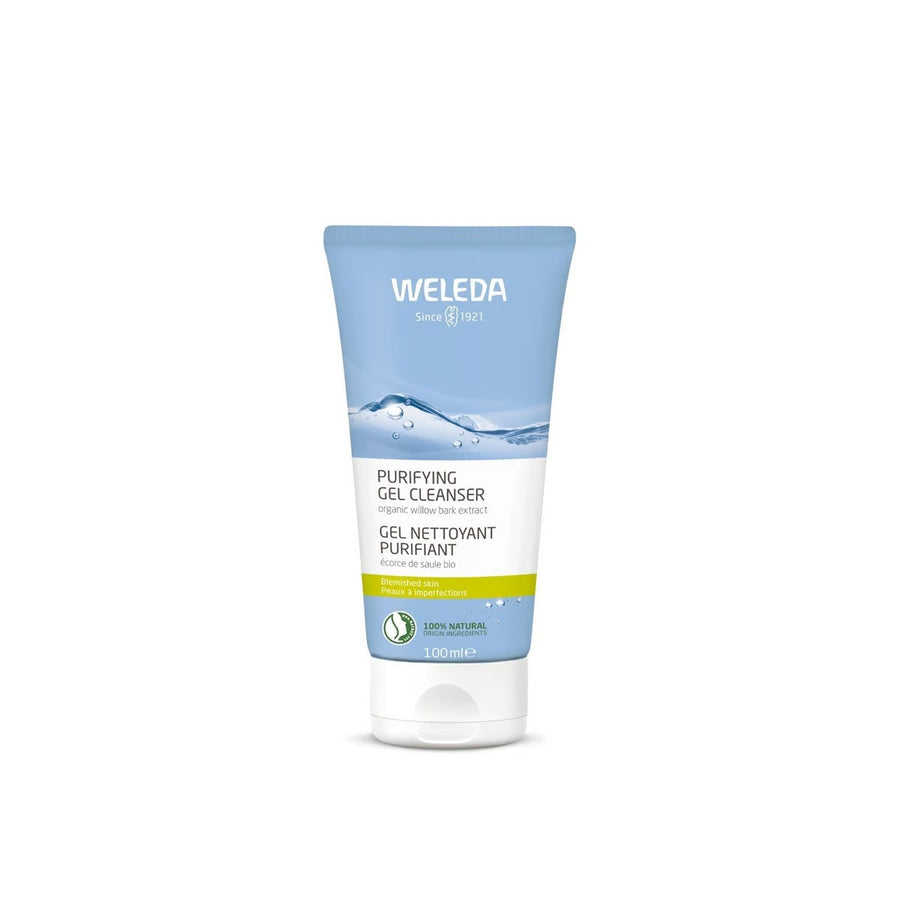
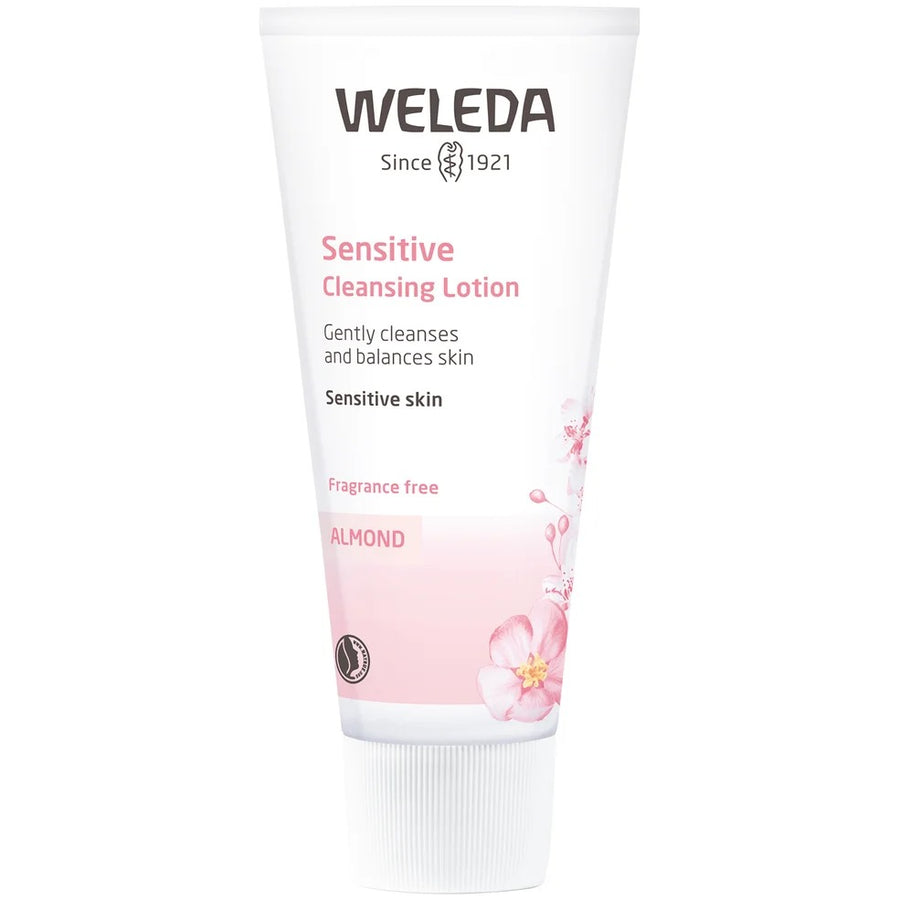
    Очищающий очищающий гель Weleda 100 мл
    WELEDA
    45.00
    face cleanser
    Очищающий гель для пены Heliabrine 250 мл
    HELIABRINE
    45.00
    Крем Heliabrine Comfort 32 50 мл
    HELIABRINE
    76.00
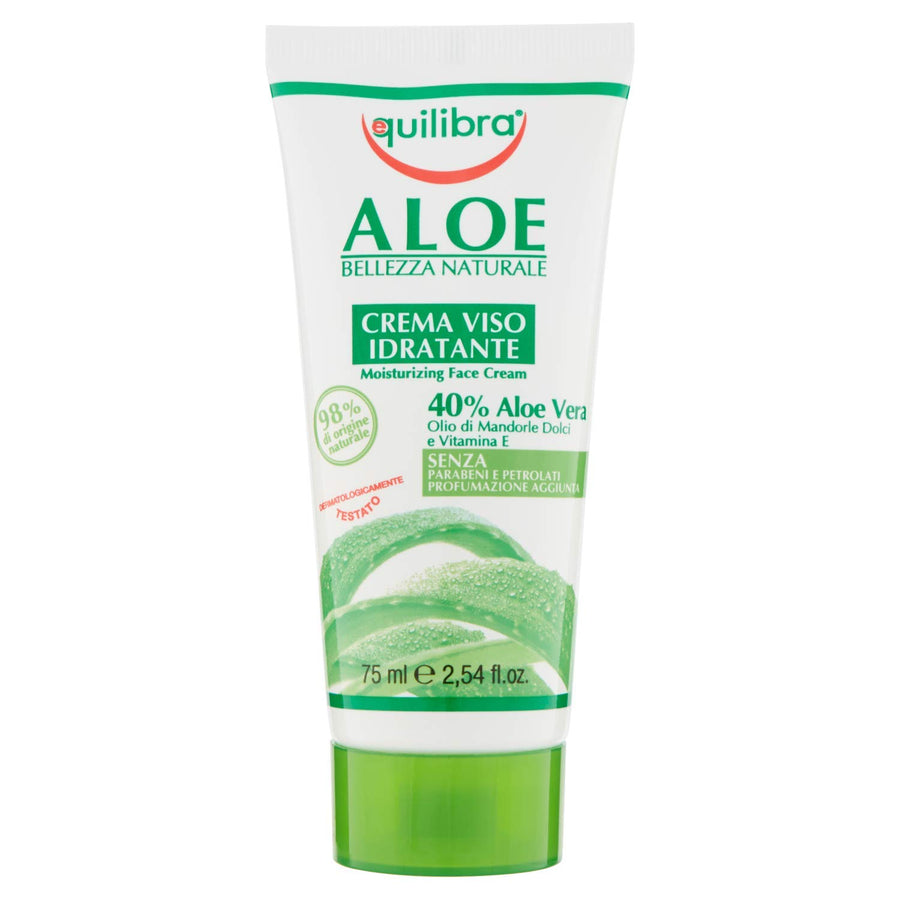
    Крем для лица Equilibra с алоэ 75 мл
    EQUILIBRA
    45.00

    What is acne?

    Acne is a common skin condition where the pores of your skin clog. Pore blockages produce blackheads, whiteheads and other types of pimples. Pimples are pus-filled, sometimes painful, bumps on your skin.

    The medical term for acne is acne vulgaris.

    What are the types of acne?

    There are several types of acne, including:

    • Cystic acne: Cystic acne causes deep, pus-filled pimples and nodules. These can cause scars.
    • Fungal acne (pityrosporum folliculitis): Fungal acne occurs when yeast builds up in your hair follicles. These can be itchy and inflamed.
    • Hormonal acne: Hormonal acne affects adults who have an overproduction of sebum that clogs their pores.
    • Nodular acne: Nodular acne is a severe form of acne that causes pimples on the surface of your skin, and tender, nodular lumps under your skin.

    All of these forms of acne can affect your self-esteem, and both cystic and nodular acne can lead to permanent skin damage in the form of scarring. It’s best to seek help from a healthcare provider early so they can determine the best treatment option(s) for you.

    Who does acne affect?

    Acne usually affects everyone at some point in their lifetime. It’s most common among teenagers and young adults undergoing hormonal changes, but acne can also occur during adulthood. Adult acne is more common among women. You may be more at risk of developing acne if you have a family history of acne (genetics).

    How is acne diagnosed?

    A healthcare provider can diagnose acne during a skin exam. During this exam, a provider will closely look at your skin to learn more about your symptoms. In addition, they may also ask about risk factors for acne, like:

    • Are you feeling stressed?
    • Do you have a family history of acne?
    • Do you notice breakouts during your menstrual cycle?
    • What medications do you currently take?

    Your healthcare provider won’t need to run any diagnostic tests for acne, but they may offer tests to diagnose any underlying conditions if you have sudden, severe acne outbreaks, especially if you’re an adult.

    Who treats acne?

    A general healthcare provider or a dermatologist can diagnose and treat acne. If you have stubborn acne that doesn’t improve with treatment, a dermatologist can help.

    How severe can acne get?

    Dermatologists rank acne by severity:
    • Grade 1 (mild): Mostly whiteheads and blackheads, with a few papules and pustules.

    • Grade 2 (moderate or pustular acne): Multiple papules and pustules, mostly on your face.
    • Grade 3 (moderately severe or nodulocystic acne): Numerous papules and pustules, along with occasionally inflamed nodules. Your back and chest may also be affected.
    • Grade 4 (severe nodulocystic acne): Numerous large, painful and inflamed pustules and nodules.
    Недавно просмотренные